İrem Kalender
The Architecture of Contentment Why Nancy Meyers’ Movie Homes Feel Like a Warm Hug
INTERIOR DESIGN
6/12/20267 min read
The thing about Nancy Meyers movies is the homes and more importantly, how they feel cozy. When you watch these films, you don't just see a set; you feel a happy childhood, a sweet escape, or even the distinct smell of freshly baked pastries. They make you feel at rest and at peace. Whether you have ever stepped foot in a coastal home or not, they give you the exact warmness you wish you’d find when you come home that deep relaxation you always crave.
When characters step into a Nancy Meyers house, it is almost like entering a safe space. You can feel the history in these walls. Despite the maximalist details, you can sense how perfectly layered they are how every single contrast actually compliments one another. Even the tiniest details make you feel cozier on a subconscious level.
If we take a look at the common design routes of these iconic homes, they all share a specific features:
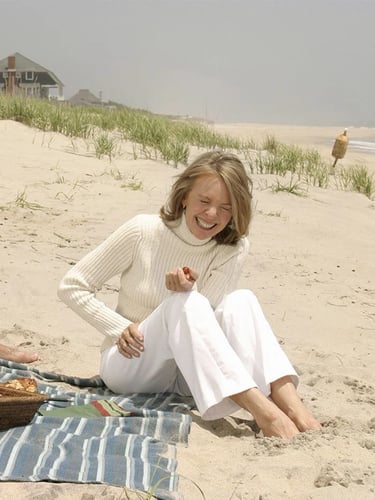
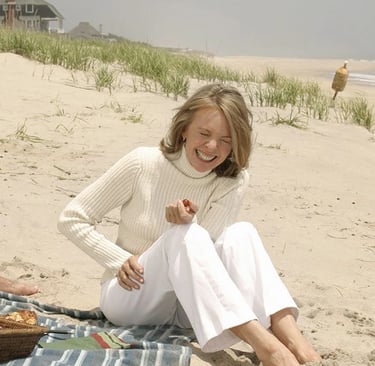
Warm Colors
According to research in environmental psychology, warm colors and soft neutrals act as visual safety cues that actively lower stress levels (Elliot & Maier, 2014). The close color similarity within a beige and cream palette never tires the eyes or becomes boring; unlike stark, high-contrast whites that cause sensory fatigue, these gentle earth tones allow the eyes to rest effortlessly (Birren, 2016). Layering these hues against warm, milky white bases amplifies a subconscious feeling of cozy security, while even cool accents like deep navy bring a grounding, protective warmth rather than cold distance when paired with a warm background (Octet Design Studio, 2026).
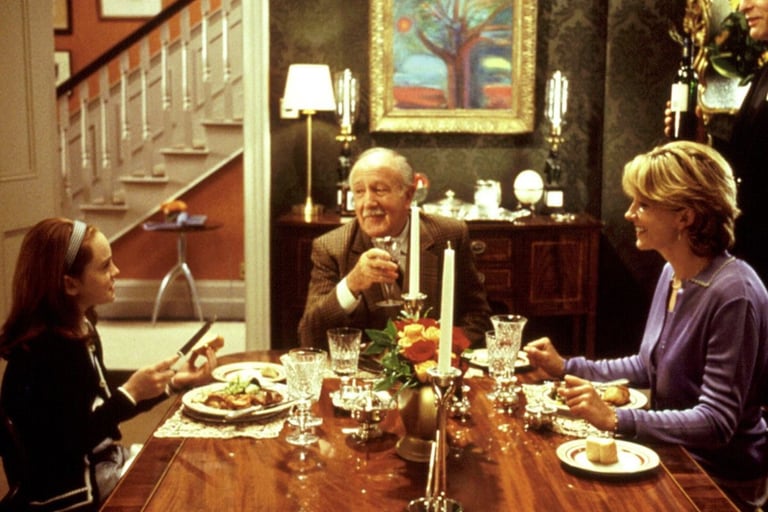
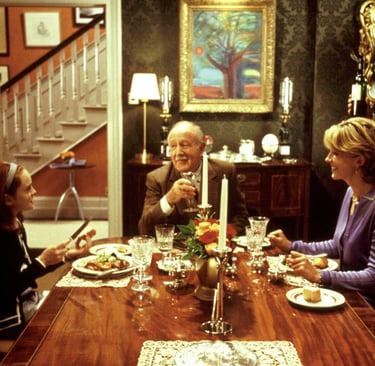
Mood Lighting & Warm Lighting
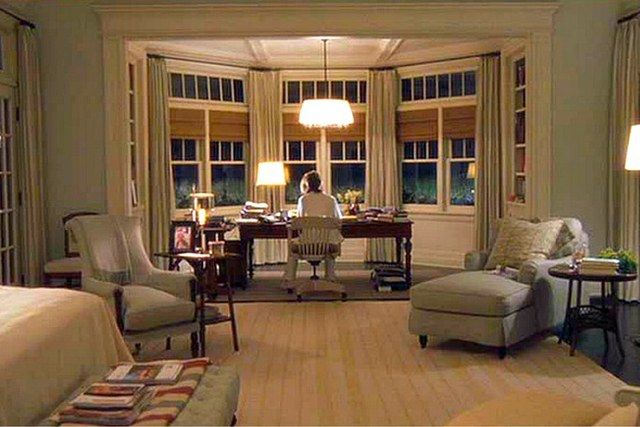
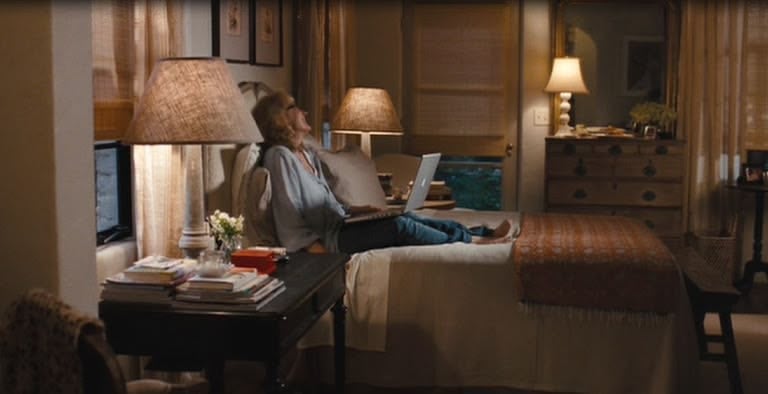
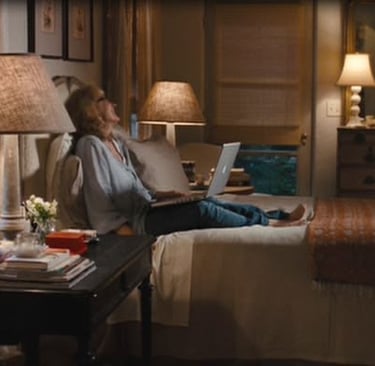
You will never see a harsh overhead fluorescent bulb in a Nancy Meyers frame. Instead, spaces are illuminated by the soft, golden glow of strategically placed table lamps, floor lamps, and perfectly dimmed wall sconces with a little bit of help from candles.
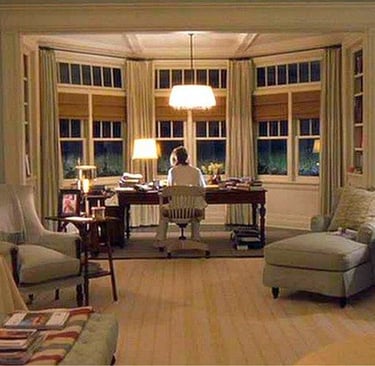
Think of Erica Barry’s (Diane Keaton) desk setup in The Something's Gotta Give beach house—the soft lamp light makes late-night writing look like the ultimate comforting ritual.
Books, Frames, Plants, & Flowers
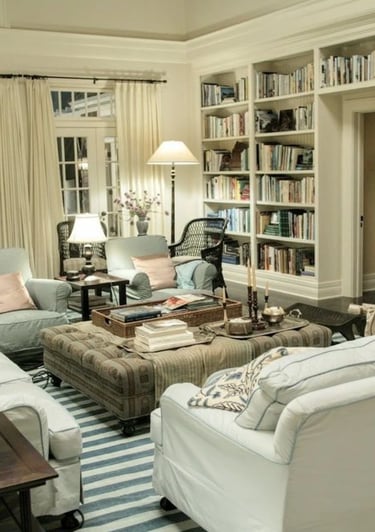
These homes are teeming with organic life and personal memories. Side tables are overflowing with stacked art books, framed family photos that look genuinely loved, and oversized vases filled with freshly cut hydrangeas or casual greenery. Examining this especially books reinforces characters intellectuality, their hobbies and deepens the characteristic of all those people but also it has a niche design feature that softens the atmospehere and rather than dry empty places it brings some kind of cozy gathering.
Collected Antiques
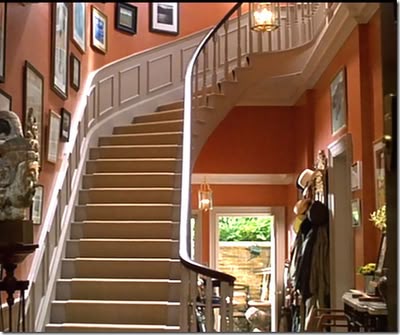
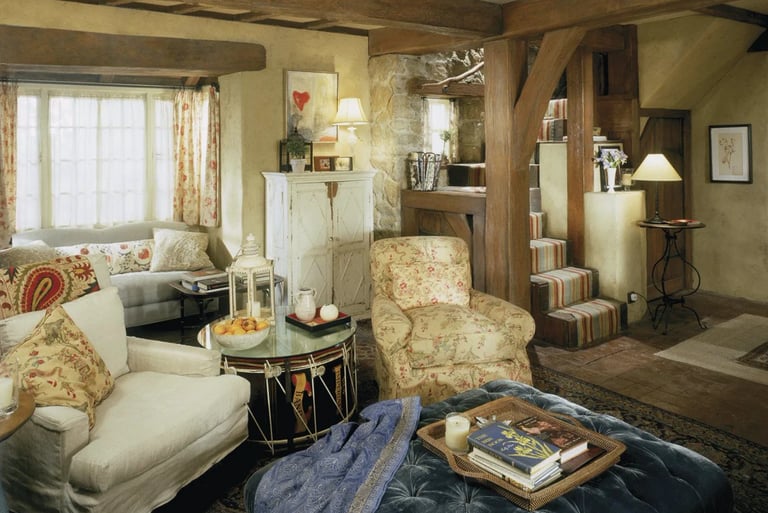
Nothing feels like it was bought all at once from a single showroom. The furniture feels curated over a lifetime antique dressers, slightly weathered wooden chests, and unique finds that tell a story. You can feel the history of homes maybe that they are not in lived for centuries but the tastes of the owners has.
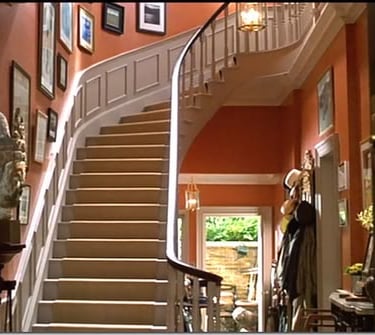
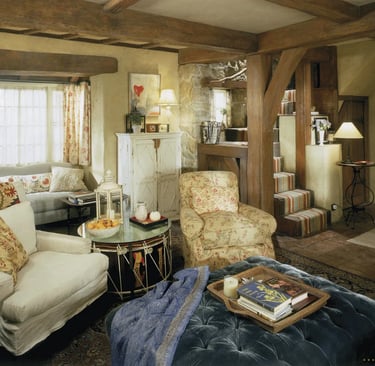
The cozy, eccentric interiors of Iris's cottage in The Holiday are packed with mismatched, antique wooden furniture that feels hundreds of years old.
Statement Rugs
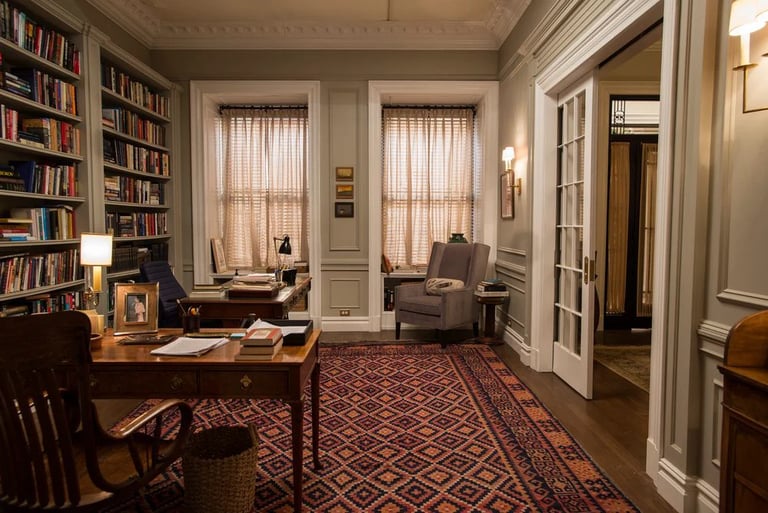
Rugs are used to zone the large, open-plan rooms and add instant physical and visual warmth. From textured sisal and jute layers to faded vintage Persian rugs, they ground the furniture and soften the floors.
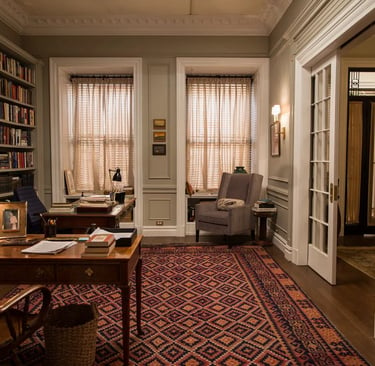
The sprawling living room in The Intern uses textured rugs to make Jules' (Anne Hathaway) grand Brooklyn brownstone feel grounded and soft underfoot.
Maximalist Furniture
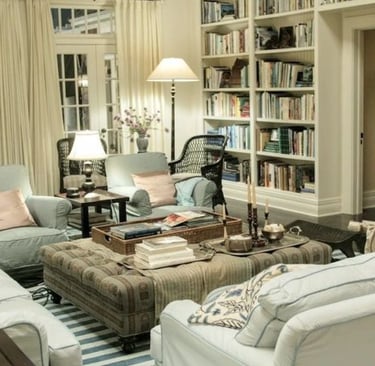
The furniture invites you to sink in. Think deep, oversized slipcovered sofas, plush armchairs, and ottomans big enough to double as coffee tables. It is maximalism rooted entirely in comfort. Especially couches makes me feel like a child again. as if if I would jump and lay on them I might just get lost inside of the couch or I could have a very comfortable rest on them. All of the furniture are pretty much inviting. The other thing about these maximalist furniture they designed in curated way that not cover all the place you dont feel stuck but rather than it compliments the size of the houses.
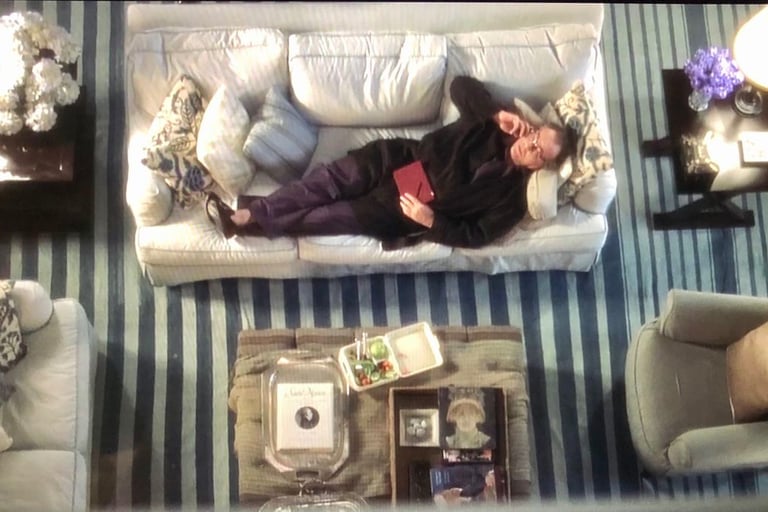
Contrasting Especially With Dark Oaks
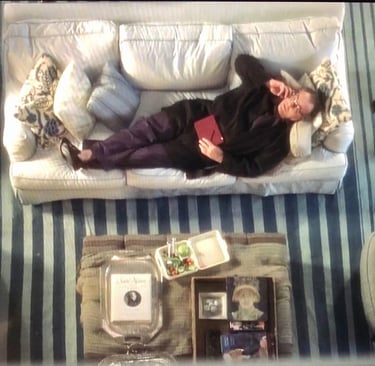
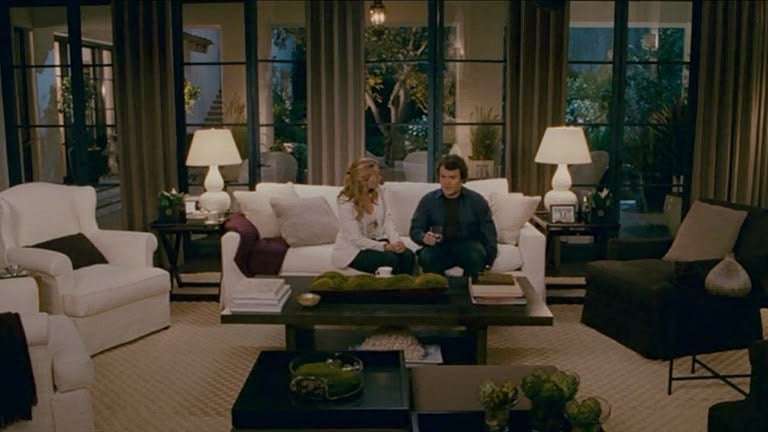
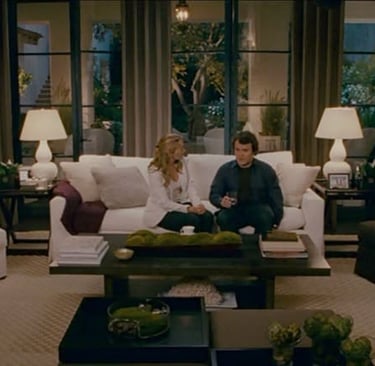
The massive, deep-seated white sofas in Something’s Gotta Give that practically scream at you to curl up with a book.
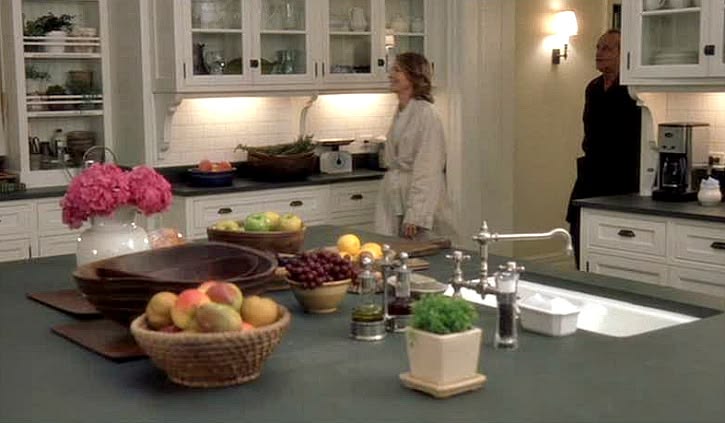
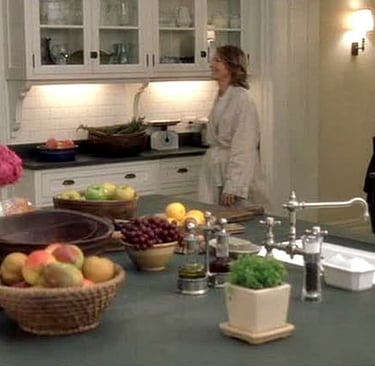
To keep the light, airy color palettes from looking too washed out, Meyers brilliantly introduces grounding elements through dark oak wood whether in the structural ceiling beams, heavy kitchen islands, or antique sideboards. Hence darkness don’t feel so dark and the whiteness doesn’t feel like mental hospital rather they complete each other in a way that nature does like ying and yang. She doesn’t only use sun and beach she adds little bit of Claude and the beauty of midnight to her designs achieving feeling of great bosa nova.
Big Windows & Natural Light
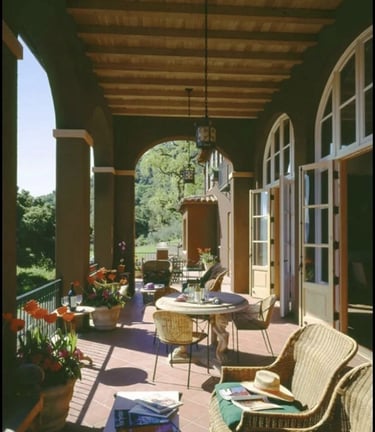
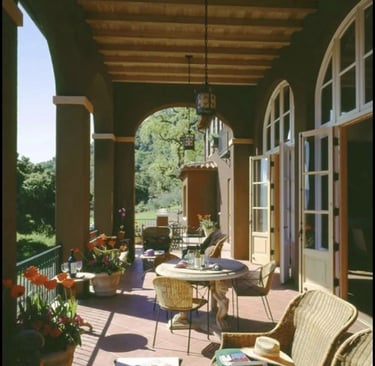
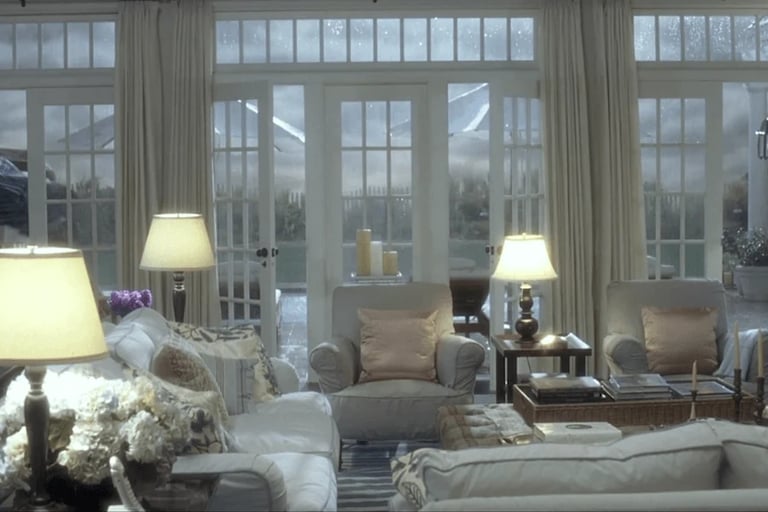
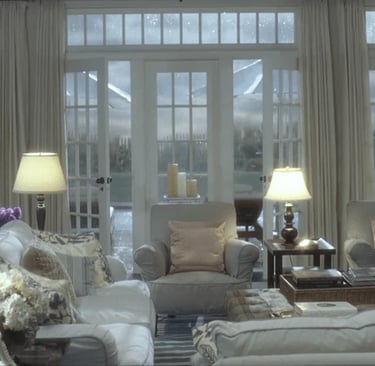
Natural light is a character of its own in these films. Massive French doors, multi-paned windows, and bay windows flood the interiors with daytime sunlight, blurring the line between the beautiful exterior gardens and the indoors.
High & Wide Curtains
Window treatments are never skimpy. Curtains are hung high (often right at the ceiling line) and wide, framing the windows elegantly. They are usually made of rich, tactile fabrics like heavy linen or soft cotton that puddle slightly on the floor.
Displaying "Most of the Things"
Open shelving is a signature staple. Instead of hiding everything behind closed cabinet doors, copper pots, artisanal ceramic plates, baking ingredients, and glassware are proudly displayed on open racks.
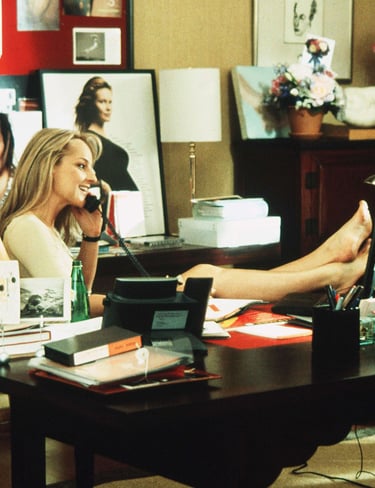
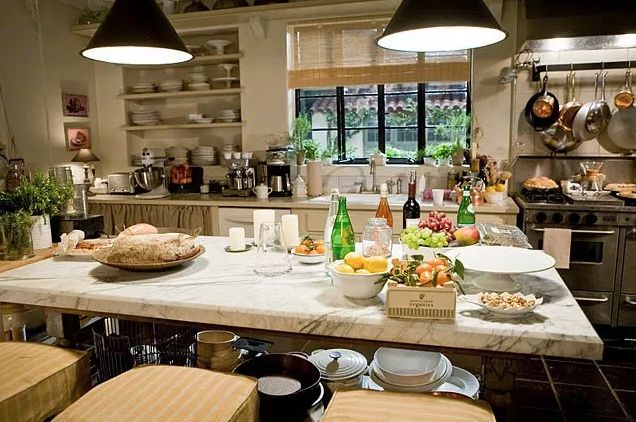
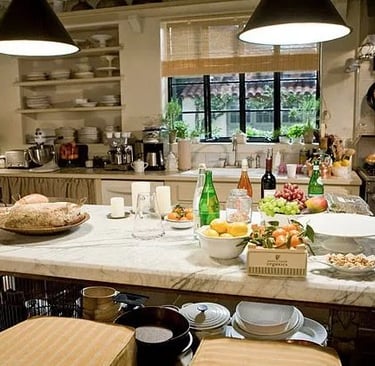
The open shelving in the kitchen of It’s Complicated, where stacks of white dishes and baking supplies become part of the decor.
Personalized & Lived-In Spaces
There is no minimalist sterility here. You’ll see a throw blanket draped carelessly over a sofa, an open book on a coffee table, or a stack of ceramic bowls on the counter. The spaces feel lived in, not staged. Rather than being houses they are homes even with curated mess sometimes. Nancy Meyers created perfection from imperfections in her movies so much so that even single detail disturbs you but consolidate that these characters psychology their personality but most importantly that they actually live in these places rather than accommodating. You can feel the music playing in the background in each house. Each house has their own lyrical features.
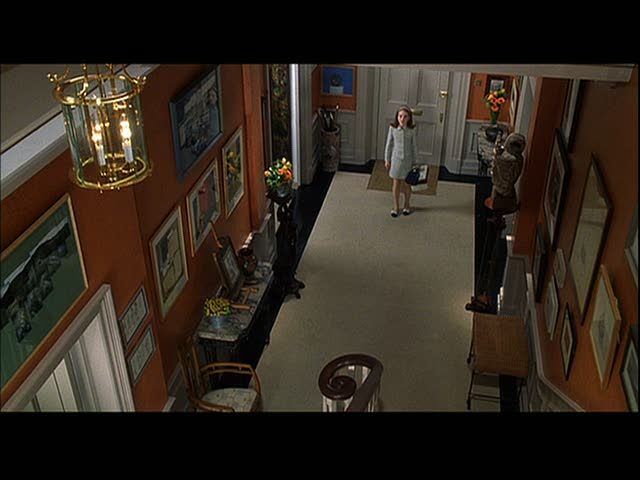
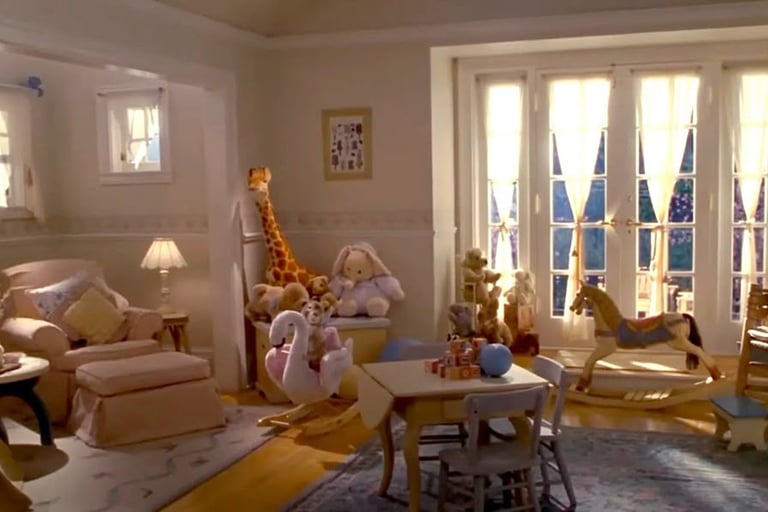
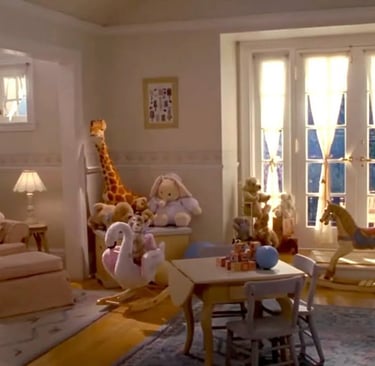
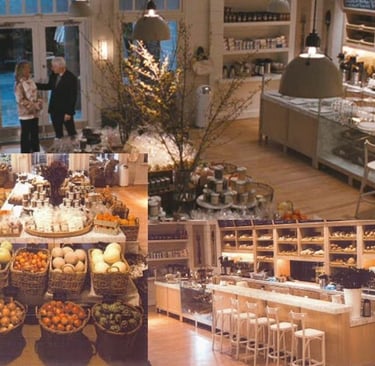
A Personal Favorite: The Bakery in It’s Complicated
Personally, one of my absolute favorites is the pastry shop in It’s Complicated. The exact moment the characters step into that shop, you can practically feel the smell of sugary butter, warm vanilla, and fresh flowers through the screen.
Even the hospitality of Meryl Streep’s character, Jane, is on another level. It kindly reminds me of the old Martha Stewart shows that I used to watch when I was little during lazy Sunday brunches that sweet sun that sometimes even distracts me or the sugary milked teas that my mother did for me. I a sense that sets are so successful because they make you feel every feeling that they wanted you to feel. Before the story you hear the story of spaces. Because these sets are crafted with that specific, nostalgic care, the feeling of ultimate coziness becomes a universal truth valid for absolutely everyone who watches.
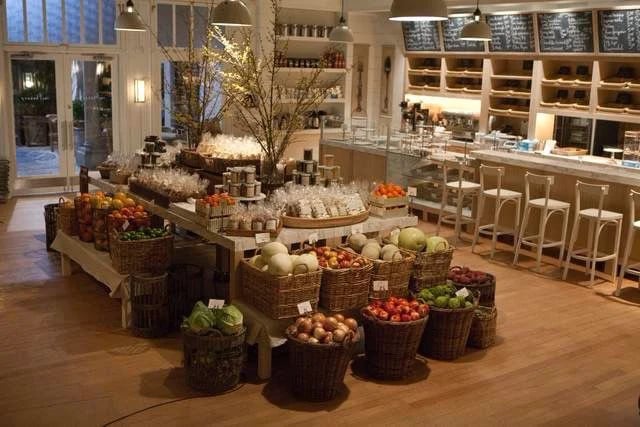
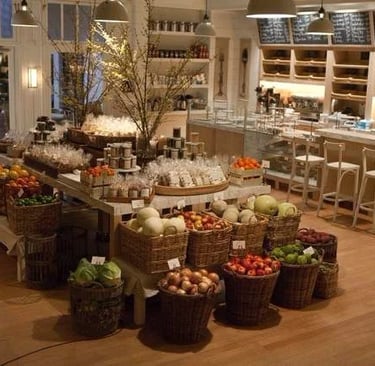
Besides interior design I think most importantly the essence comes from the warm light in the movies especially Nancy Meyers movies with lense of cold colors we are not able to sense that geniunity, and welcoming. Especially in newer movies with technologic evolution personally I feel more distant as a viewer and I miss that warm lighting a light that remind you happy, peaceful Sunday morning that warmness essence of love and sincerity in 90s and even in 2010s movies.
How to Gather Inspiration for the Look
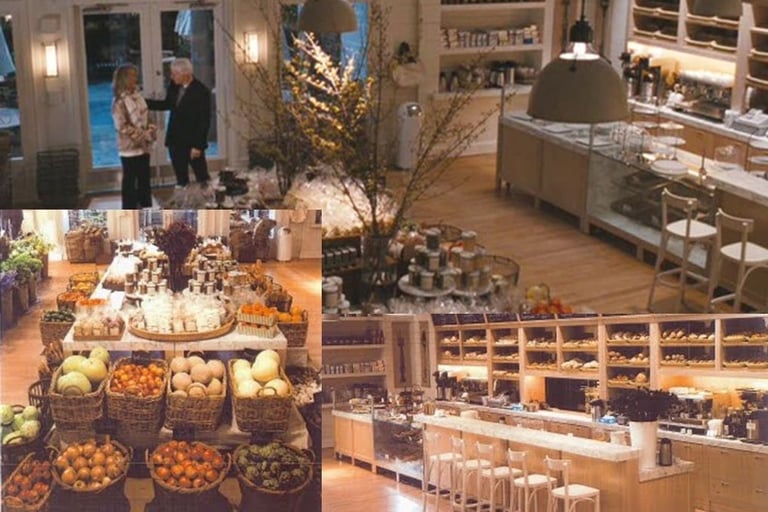
According to Jon Hutman, the brilliant production designer behind many of these iconic films (including Something's Gotta Give, It's Complicated, and The Holiday), the design team creatively collected inspiration from a myriad of global design philosophies and regions.
If you would like to bring this essence into your own space, Hutman notes that they frequently looked to classic European regional design magazines. You can still take a look at Côté Sud or House & Garden even though they have evolved over time to include more contemporary designs, they still retain that timeless, soul-stirring essence.
If you are looking for further reading and modern resources to build your own Nancy Meyers-inspired mood board, my personal recommendations would be:
Architectural Digest (AD): For looking at how real-world celebrities and designers layer high-low antiques with liveable layouts.
House Beautiful: Excellent for practical breakdowns of warm color palettes, slipcovered furniture, and cozy lighting setups.
Maison Française: Perfect for capturing that effortless, slightly rustic, yet incredibly chic European-inflected warmth that makes a house feel like a lifelong home.
https://www.jonhutman.com/interiors
https://www.youtube.com/watch?v=TlVn7l2tSsk
Birren, F. (2016). Color psychology and color therapy. Vermilion.
Elliot, A. J., & Maier, M. A. (2014). Color psychology: Effects of perceiving color on psychological functioning in humans. Annual Review of Psychology, 65(1), 95–120. https://doi.org/10.1146/annurev-psych-010213-115035
Octet Design Studio. (2026, March 9). Navy color meaning, psychology, and famous use cases. https://octet.design/journal/navy-color-meaning/
Works Cited
Contact
Feel free to reach out for collaborations or questions.
irem.kalender@ug.bilkent.edu.tr
© 2026. All rights reserved.
www.linkedin.com/in/iremkalender7